
Your Newborn’s Skin: What’s Normal, What to Have on Hand, and Why It Looks Like That
May 06, 2026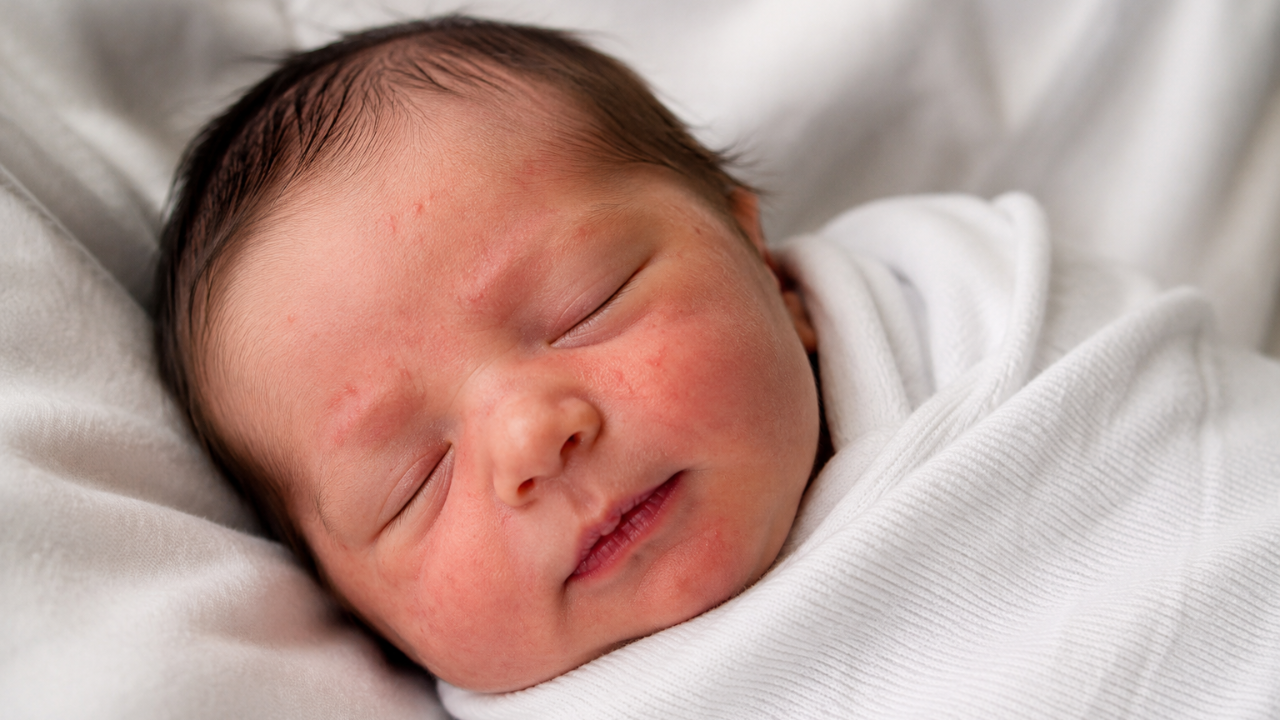
If you’re new here, I’m Alisa- a pediatric nurse practitioner and a mom of two, and I write about the things I wish someone had told me before I lived them.
You’ve just brought home the most beautiful baby you’ve ever seen, and then you notice it. A rash. A blotchy patch. Skin that’s peeling, or mottled, or covered in tiny white bumps. Your first instinct is to Google it at midnight, which, as any pediatric NP will tell you, is rarely a good idea.
Here’s the truth: newborn skin is one of the most common sources of new parent anxiety, and most of the time, there is absolutely nothing wrong.
After more than a decade as a pediatric nurse practitioner - and after going through the newborn stage twice myself - I’ve answered more skin questions than I can count. So let’s talk about what’s actually going on, what you need on hand at home, and when to actually call the doctor.
Newborn Skin Is Not Adult Skin
This sounds obvious, but it matters more than most people realize. Your baby’s skin just spent nine months submerged in amniotic fluid. It’s brand new to the outside world - to air, to friction, to clothing, to everything. And it behaves accordingly.
A few key differences:
It’s thinner and more permeable. Newborn skin absorbs things more readily than adult skin, which is why what you put on your baby matters. Fragrance-heavy products, harsh soaps, and certain chemicals can irritate or absorb into their skin more easily than you’d expect.
It loses moisture faster. That peeling and flaking you see in the first week or two? Completely normal. Your baby is essentially shedding the outer layer that protected them in the womb. It doesn’t need lotion - it resolves on its own.
It can’t regulate temperature well. That mottled, blotchy, lace-like pattern you might notice when your baby is cold or crying? Called cutis marmorata, and it’s a normal response to temperature change in a nervous system that’s still maturing.
It reacts to everything. New textures, detergents, saliva, even your own skin - all of it can cause a reaction. This doesn’t mean something is wrong. It means their skin is doing exactly what brand new skin does.
Erythema Toxicum: The Rash That Sounds Terrifying and Isn’t
Let’s talk about erythema toxicum, because the name alone sends parents into a panic and it doesn't need to.
Despite sounding like a medical emergency, erythema toxicum is one of the most common and completely harmless newborn rashes. It typically shows up in the first two to three days of life and looks like red, blotchy patches with small yellowish or white pustules in the center - almost like little bug bites scattered across the body.
It can come and go, move around, and look different hour to hour. It usually fades completely within a week or two without any treatment whatsoever.
No one knows exactly what causes it. It’s not an infection, it’s not contagious, and it doesn’t bother your baby at all. If your newborn has it, the only thing you need to do is take a deep breath and know that it’s one of the most normal things a newborn skin can do.
Baby Acne: Yes, It’s a Thing. No, It’s Not Your Fault.
Just when you think you’re past the newborn rash phase, somewhere around two to four weeks you start noticing small red or white pimples on your baby’s cheeks, forehead, and nose. Sometimes the chin. Sometimes the chest and back too.
Welcome to baby acne.
It’s incredibly common - and it looks far more alarming than it is. The leading theory is that it’s triggered by maternal hormones still circulating in your baby’s system after birth, essentially causing a skin response similar to what teenagers experience. Your baby’s pores are also still maturing and learning to regulate sebum production, which doesn’t help.
Here’s what you need to know about baby acne:
Leave it alone. I know that’s hard to hear, but it’s the truth. No scrubbing, no acne washes, no trying to pop or squeeze anything. Their skin is far too sensitive for any of that, and it will only make things worse.
Keep the skin clean and dry. Gentle cleansing with warm water and a soft cloth a few times a week is all you need. Avoid heavy creams or lotions on affected areas.
It goes away on its own. Most baby acne resolves completely by three to four months without any treatment. If it’s persisting beyond that or seems to be worsening significantly, it’s worth mentioning at your next pediatric visit - sometimes what looks like baby acne is actually infantile acne or eczema, which can benefit from a different approach.
And please, do not adjust your diet if you’re breastfeeding based on baby acne alone. Despite what you might read online, there’s no strong evidence linking what you eat to baby acne. Save the dietary changes for when there’s a real reason.
What to Actually Have at Home for Diaper Changes
The diaper area is where newborn skin needs the most attention, and where most parents feel the most lost. Here’s what I recommend keeping in your changing station from day one:
Calmoseptine
This is one of my go-to recommendations for new parents and honestly one of the most underrated products out there. Calmoseptine is a moisture barrier ointment that contains menthol and zinc oxide - it soothes irritated skin while protecting it from further moisture exposure. It works beautifully for early redness or any time you notice the skin starting to break down. A little goes a long way.
Triple Paste
When you need serious protection, Triple Paste delivers. It’s a thick, medical-grade zinc oxide barrier cream that creates a protective layer between your baby’s skin and moisture. It’s particularly effective once a rash has already developed and you need to give the skin a chance to heal. It’s gentle, fragrance-free, and worth every penny.
Fragrance-free wipes
This one is simple but important. Fragrances are one of the most common irritants for newborn skin, and they’re completely unnecessary. Stick with unscented.
Warm water and a soft cloth
For the very early newborn days, especially if your baby has particularly sensitive skin, plain warm water and a soft cloth is all you need. You don’t have to use wipes for every single change.
A general rule I give every new parent: keep the diaper area clean, dry, and protected - and change frequently. Most diaper rashes are caused by prolonged exposure to moisture.
When to Call Your Pediatrician
Most newborn skin findings are normal. But there are a few things worth a call:
• A rash accompanied by fever in a newborn under 8 weeks
• Blisters, open sores, or skin that looks wet or weeping
• A rash that seems to be spreading rapidly or causing your baby visible discomfort
• Yellow or jaundiced skin, especially in the first week
• Acne or a rash that persists or worsens beyond three to four months
When in doubt, call. That’s what your pediatrician is there for, and no question is too small when you have a brand new baby.
Feel Confident Before the Baby Even Arrives
Here’s what I know after a decade-plus of doing this work: the parents who walk into the newborn stage feeling most confident aren’t the ones who read every book or bought every product. They’re the ones who had the right information ahead of time - delivered clearly, by someone who actually knows what they’re talking about.
That’s exactly why I created my New Parent Prep Course.
It covers everything you need to know during pregnancy to feel genuinely ready - not just for the nursery setup, but for the real stuff. Newborn care, what’s normal, when to worry, how to work as a team with your partner, and how to protect your mental health through the fourth trimester.
Because you shouldn’t have to wait until 2AM with a blotchy-skinned newborn and a Wi-Fi connection to get answers. You deserve to already know.
To keep reading on newborn normal:
My Baby Is Losing Their Hair - Is That Normal? By a Pediatric Nurse Practitioner & Mom of Two
Blue Hands, Blue Feet - Is That Normal? Understanding Acrocyanosis in Newborns
Author